
Every hard thing comes back to the founder
Four EO Vietnam members on what happens when a company keeps coming back to one person.
On a call in September, I asked Yen Do, Co-Founder and CEO of Bonario Vietnam, whether her company would collapse if she walked out of the building.
A 10-day business trip, she said, leaves things the same when she gets back.
But the fear is real.
I work in communications at EO Vietnam, the Vietnam chapter of the Entrepreneurs' Organization, a peer network for business owners. From July to September I interviewed members and board chairs. Four of them described their company's hard problems coming back to them, each in answers to questions about something else.
The mediator
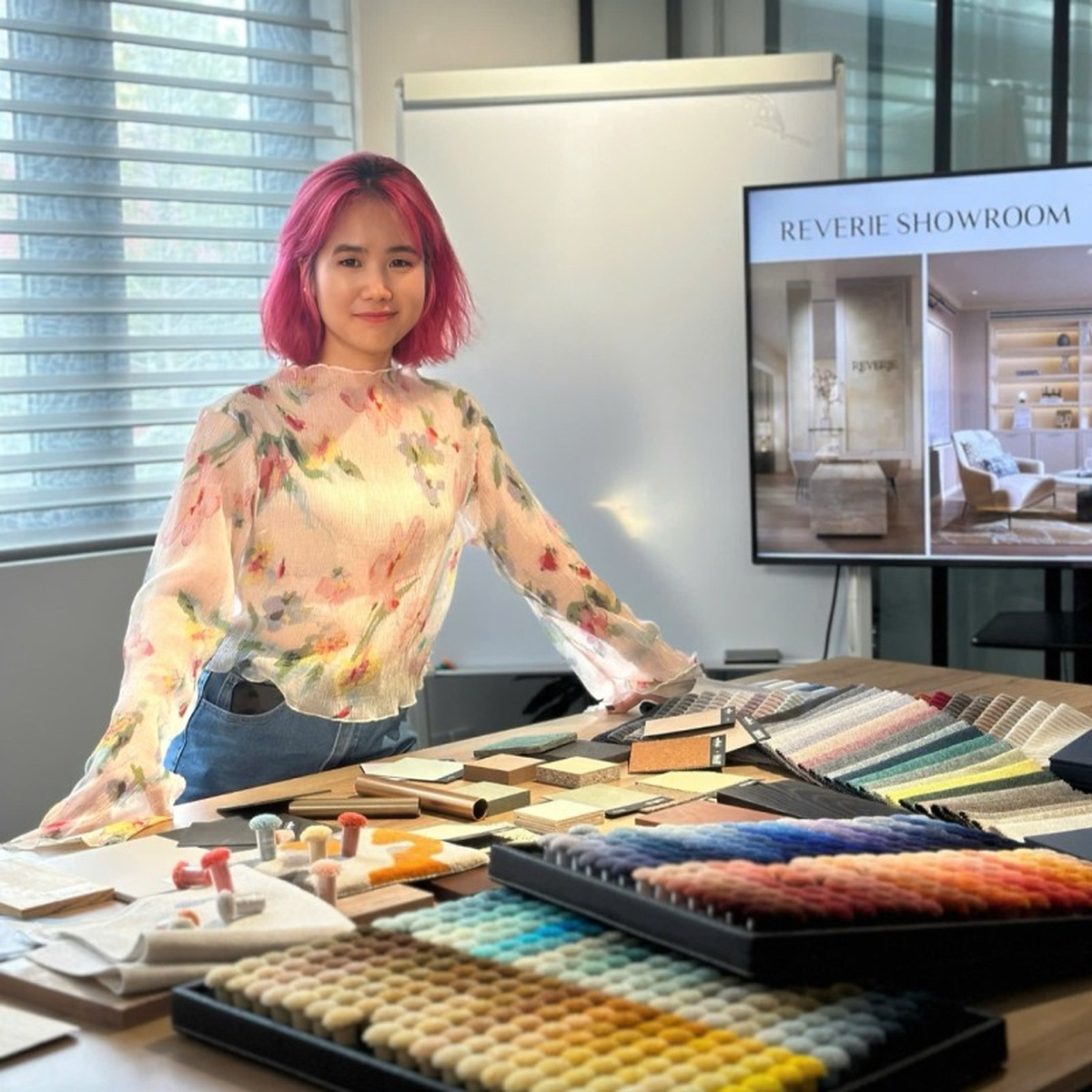
Bonario Vietnam specializes in premium interior materials and furniture, run as three brands: curtains and wallcoverings, loose furniture, and an export channel for hospitality projects. As its CEO, Yen starts her mornings with the meeting schedule. For the last two years, Yen was the mediator in the company. She is trying to get out of that role. A mediator, in her telling, is a fancy word for a problem solver.
Every hard thing will eventually come back to me.
She said that if she was not there, nothing got to the finish line.
I was creating a codependent environment without knowing it.
How many people can one person manage effectively?
Near the end of the call I described a CEO with 60 people bringing questions. Yen asked me one back.
Do you know that the number of people you can quite effectively manage and work with is just around five, six, seven?
She counted it out for a company of 50 to 60 people. The CEO works with around 10 to 11 of them. Those 10 to 11 are managers and team leaders with teams of their own, so their problems are bigger than the ones a company of 10 people brings.
From zero to one: a little bit of everything
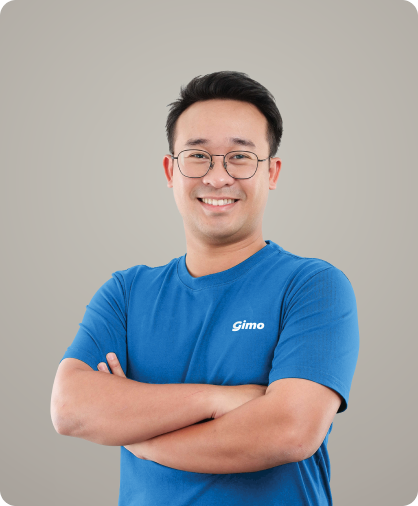
I have to do a little bit of everything in my company. Literally everything.
That is Quan Nguyen, founder and CEO of Gimo. One day he buys a coffee machine. Another day he flies to the United States to meet investors.
Gimo is a Vietnamese fintech with around 65 people. It offers earned wage access, credit and payment services to more than 800,000 workers across over 200 companies.
Quan founded Gimo in 2020, after consumer banking at Citi and investment roles at Leadvisors Capital Management and IDG Capital.
A lot of people have a misunderstanding about what it means to be a CEO. They think the CEO focuses on the big picture, strategy and all that, while the team takes care of the rest. I don't think that applies to me, especially not at this stage.
For Quan, leadership means understanding what is happening on the ground and stepping in when needed. When a role is vacant or something unexpected comes up, he takes responsibility until the team is ready.
What works when a business is small does not always work once it has more people, more customers and more responsibility. Each stage brings a different set of challenges and requires founders to rethink how they lead, build teams and make decisions.
Looking back, those early days were definitely easier than what we're going through right now, trying to scale from one to ten.
Yen went through a similar shift.
Before, I thought that, okay, this is the hardest part. We already passed it, so no, nothing is going to be harder.
For Quan, the hard parts have not ended. He keeps learning, adapts to what comes next and builds a team that can move forward together.
The right questions
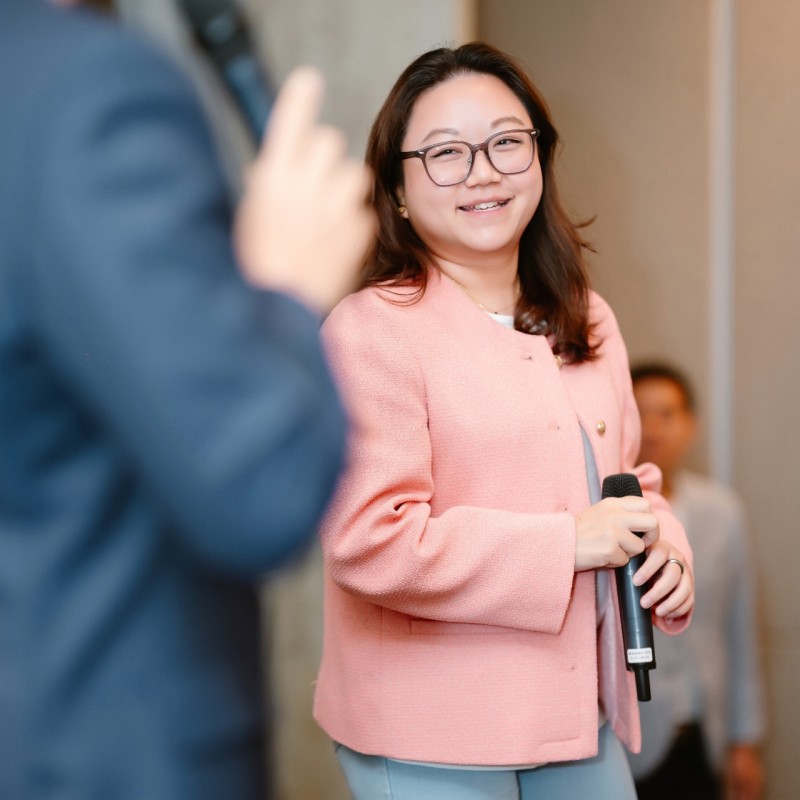
Gabrielle Loo, Member Engagement Chair of EO Vietnam and Deputy General Director at Far East Foam Vietnam, a polyurethane foam manufacturer serving the furniture and bedding industry, reflects on how AI has reshaped her approach to leadership.
Previously, she spent considerable time reviewing her team's reports, correcting mistakes, and guiding employees through their work, believing that being hands-on was the best way to ensure quality.
When asked how AI has changed the way she leads, she shared:
I used to think that being involved in every detail meant I was being a good leader. But AI made me realize that I was spending too much time focusing on how the work was done, rather than developing my team's ability to think independently and make better decisions.
Today, she encourages her team to embrace AI as a tool to work smarter, whether preparing reports, analyzing data, or exploring potential solutions. Rather than focusing on formatting or correcting every detail, her discussions with employees now center on critical thinking, problem-solving, and decision-making.
Instead of my team coming to me with a problem and asking, 'Gaby, what should we do?', I want them to come prepared with possible solutions. My role is no longer to give them all the answers, but to ask the right questions, challenge their thinking, and empower them to make decisions with confidence.
For Gabrielle, the biggest transformation isn't simply how AI improves productivity, but how it allows her to become a more effective leader.
AI hasn't just changed how we work. It's changed how I lead. I've learned that leadership isn't about solving every problem for your people, but about giving them the tools, trust, and confidence to solve problems themselves.
The rocking chair
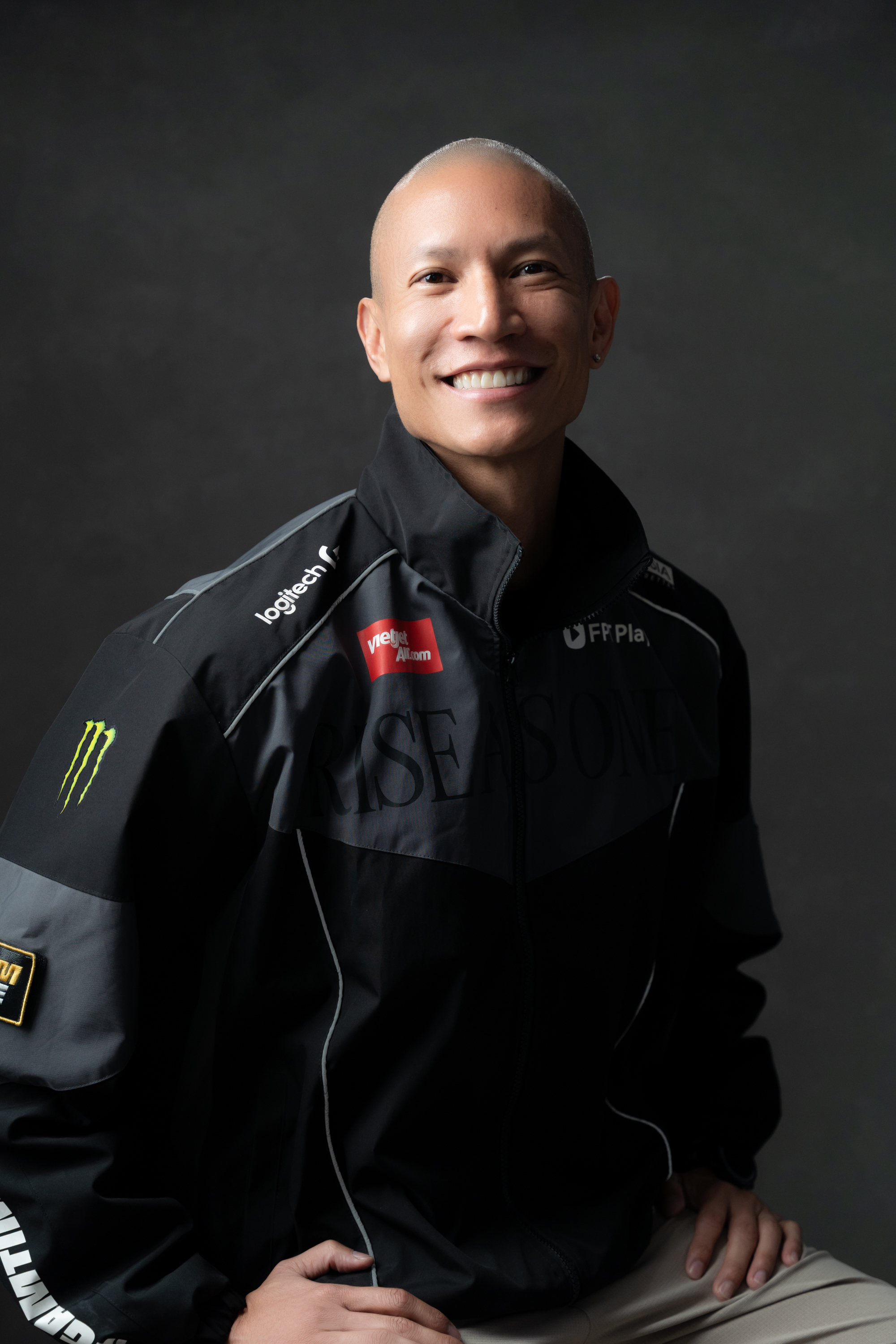
TK Nguyen, Strategic Alliance Chair of EO Vietnam, runs businesses with his brother, including GAM Entertainment and Skylight, a rooftop beach club in Nha Trang.
He once asked a staff member to assemble a rocking chair and hang a canvas at his house, and then left. He came back to a canvas fixed in place and a chair that could not rock.
He's like, hey, when I put the chair together, it was moving. So I flipped the leg upside down, so it's this way, so it's solid. And he was so proud to say, hey, I solved your problem for you. He meant so well, I couldn't be mad.
TK told it as one of his aha moments.
I didn't give them the right and the full detailed instructions and why this should be like this.
Still in progress
In each of the four accounts, someone stepped in to solve a problem.
I asked Yen what still challenges her as a founder.
I realized the problem before already, but now I still sometimes give the answer too quickly before people can think.
Earlier in the call, she had told me what happened when she faced the fear she named at the start.
When you face it, it's actually not that scary. To let people take their responsibility and ownership of getting things to the finish line is actually giving them a very good opportunity.
Thank you to Yen, Quan, Gaby and TK for their time. Interviews conducted July to September 2026.
Curious about us?
Entrepreneurs' Organization (EO) is a global, not-for-profit membership community of over 20,000 leading business founders and owners in more than 70 countries. EO Vietnam is a chapter of 42 founders, part of the APAC Region. It is a trusted, founder-led network built to support your growth. We welcome ambitious business owners from any industry, culture, generation, and geography.
Founders and owners of companies with more than USD 1 million in annual revenue can apply to join EO Vietnam at eovietnam.org/join.