
65 years old. 7 marathons. 7 continents. 7 days. Learn his secrets
The Dangerous Question
Every entrepreneur I know lives with a familiar companion. It doesn't show up on the balance sheet or in the investor deck. It sits quietly in the back of every meeting, every decision, every late night when the office is empty and the questions get louder.
Doubt.
Raul Riveros knows that companion well. For thirty years, he challenged himself the way most founders do: through the work itself. Building. Solving. Proving. But somewhere along the way, priorities shifted. The proving ground moved from the boardroom to the starting line.
And then Raul asked himself a dangerous question: What if I tried to run seven marathons on seven continents in seven days?
An Operations Nightmare
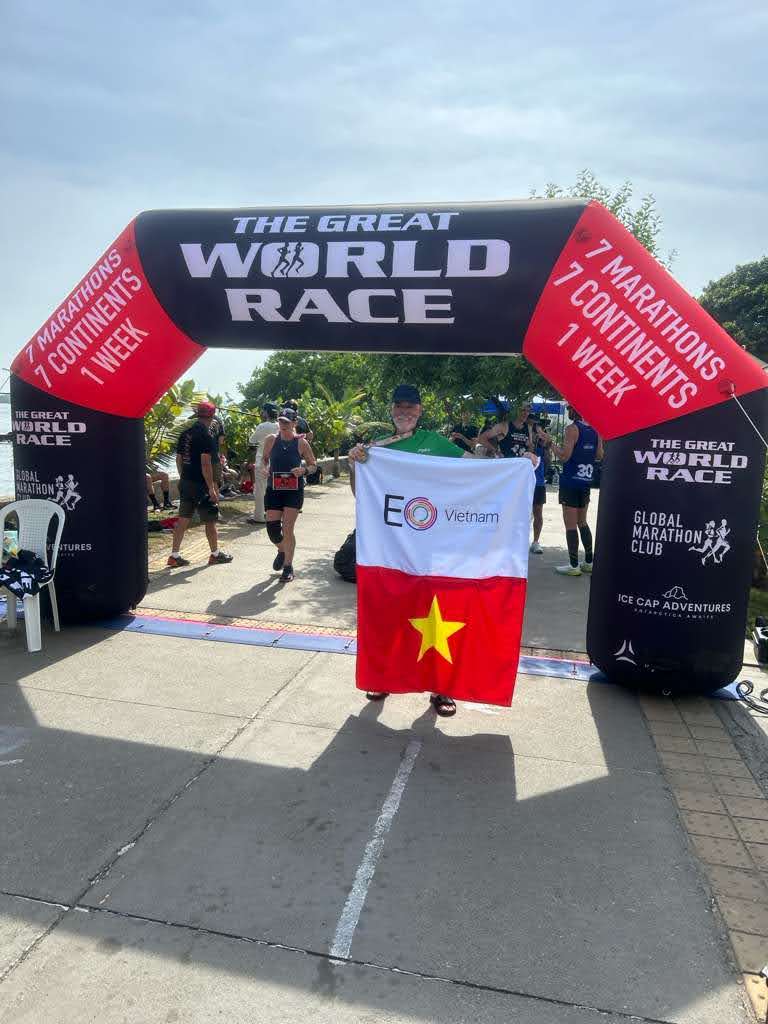
The Great World Race is exactly what it sounds like, and somehow worse. You have 168 hours to complete seven full marathons across all seven continents. Based on available records, fewer than 500 people in the world have ever completed this challenge. The logistics alone would make any operations-minded founder's head spin: 42,000 kilometers of travel, sixty hours in the air, immigration lines, weather delays, time zones stacking on top of each other until your body has no idea if it's breakfast or bedtime.
Raul noticed this immediately.
Sleep? He slept in a bed exactly twice: the night before the first marathon and the night before the last. Everything in between happened on a charter plane, same seat, same exhausted faces around him.
Day One: Cape Town and the Competitive Spirit
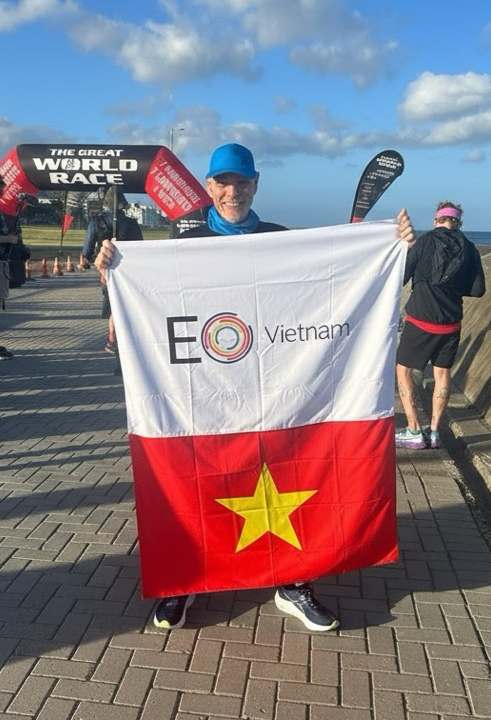
The weather was warm, the course was manageable, and everyone came out racing. Sixty competitive people trying to establish the pecking order. Raul finished in three hours and fifty-nine minutes and called it "easy."
But "easy" was an illusion. The real race hadn't started yet.
Antarctica: When Competition Becomes Collaboration
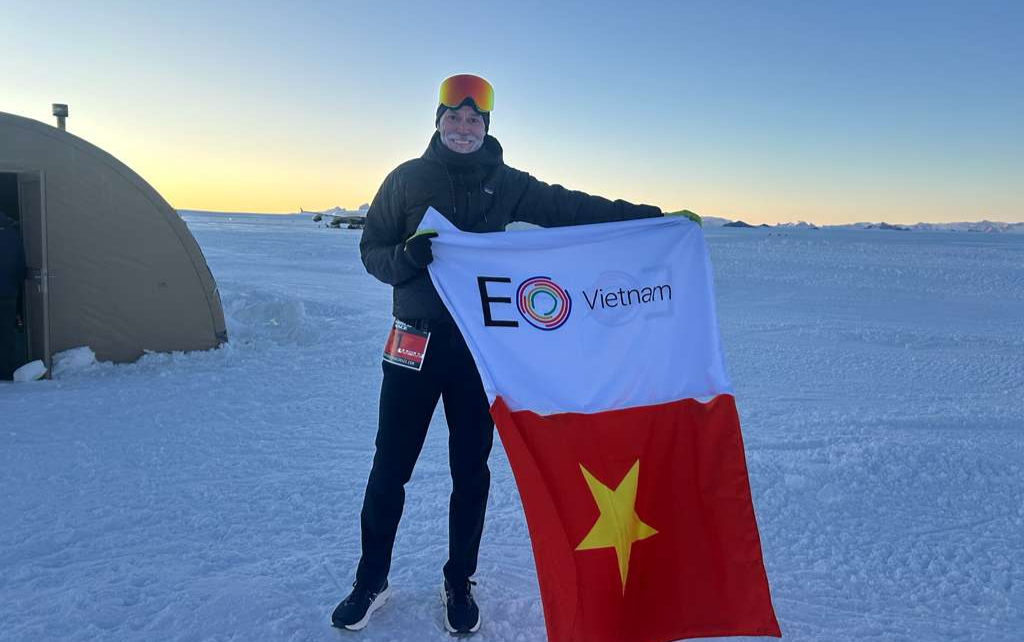
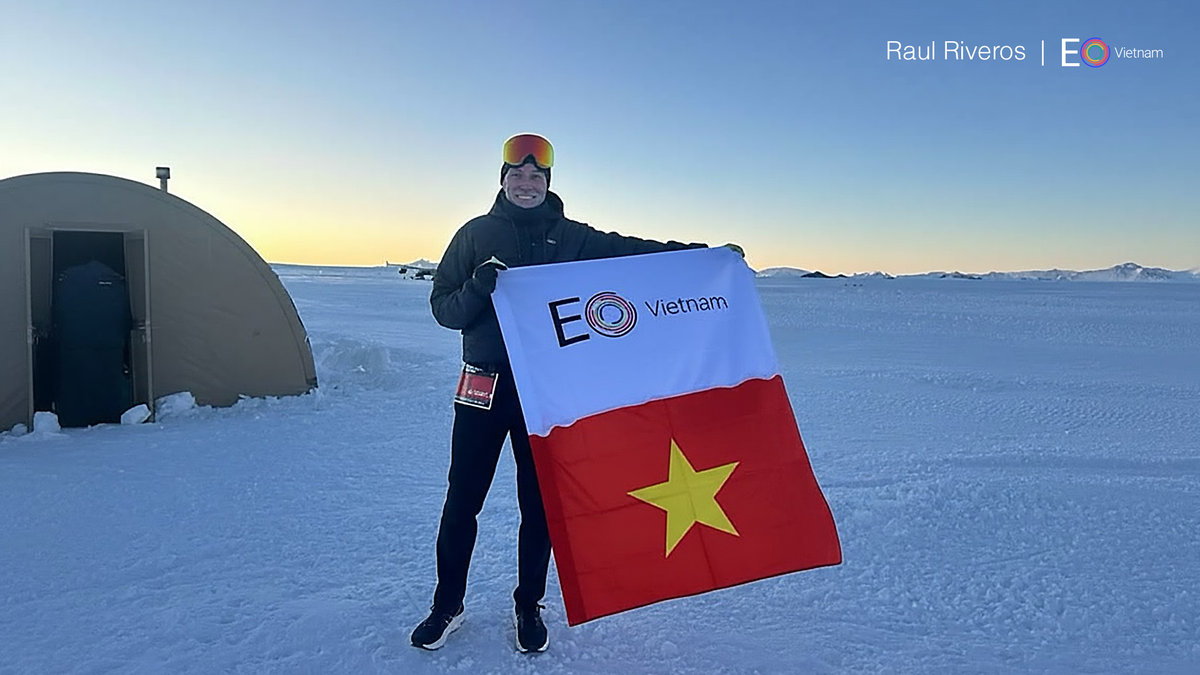
Then came Antarctica. Thirty-five degrees below zero. Wind so vicious it turned the air into a weapon. They ran in ski gear, goggles, faces completely covered. The ice beneath their feet had been packed down, but as more runners crossed the same loops, it turned slick and unforgiving. Raul's time ballooned to 5 hours 32 minutes. Everyone slowed. Everyone suffered.
And something shifted.
The Unexpected Lesson
The guy who had won the first three marathons? Knee injury. He was done by race four. Others started limping, struggling, questioning. The competition that had defined day one quietly dissolved. In its place, something else emerged.
On those loop courses (five, six kilometers, repeated seven or eight times) runners kept passing each other going opposite directions. Raul started thinking not about his pace, but about what he could say to lift up the next person he passed. A word. A nod. A moment of recognition that said, I see you. Keep going.
The best entrepreneurs know when to compete and when to collaborate. Antarctica taught everyone which mode they actually needed.
The Seven Continents
The Middle Miles: Temperature, Exhaustion and Mental Fortitude
The temperature swings alone would break most people. From thirty-five below in Antarctica to twenty-eight degrees Celsius in Perth, Australia. A sixty-degree swing in less than twenty-four hours. Then Abu Dhabi, running at midday in desert heat while other runners stuffed ice packets into their pockets and under their hats.
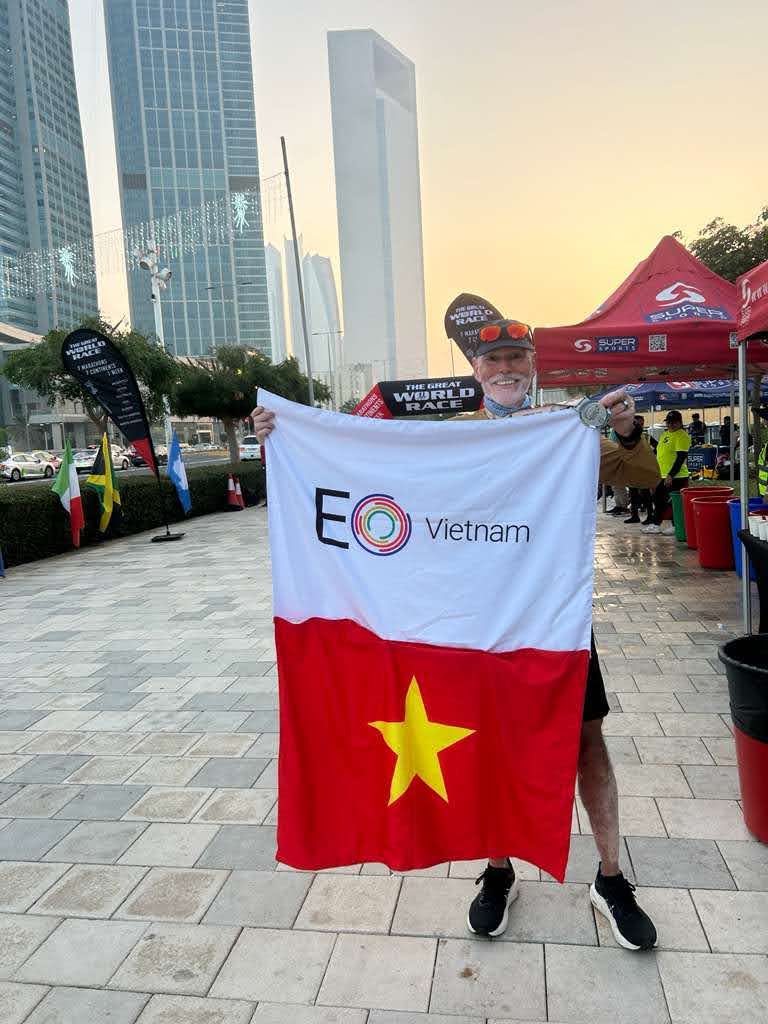
Raul? Unfazed. Training in Vietnam had prepared him for the heat in ways he hadn't expected. While others wilted, he kept moving.
Marathon Four: The Mental Wall
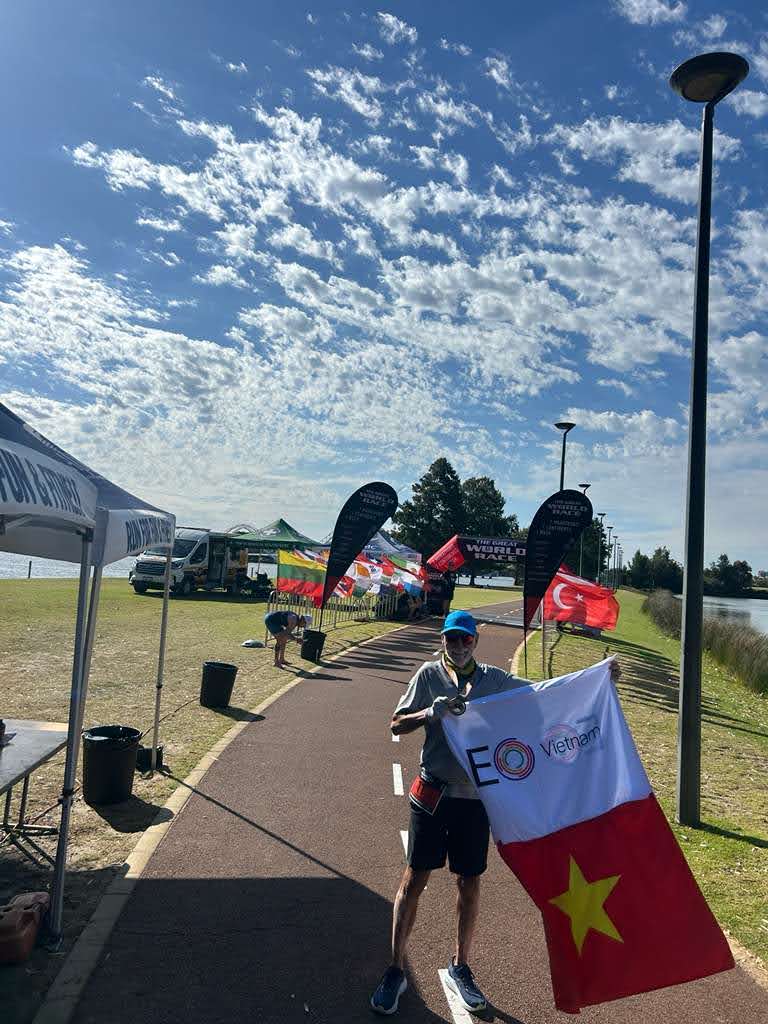
But marathon four nearly broke him. Exhausted. Sleep-deprived. Three more races to go. His body wanted to quit. His mind started working against him.
His solution was almost too simple:
When even that failed, he fell back on mantras. Words repeated until they drowned out the doubt. One foot, then the other. Again. Again.
The 90% Rule
We all know this about business too. But how often do we actually train that muscle outside of work?
Here's what I've learned from runners like Raul: when you've faced Antarctica at thirty-five below, the Monday morning crisis feels different. Not smaller, exactly. But survivable. You've got the receipt.
Miami: The Final Mile and the Meaning of Community
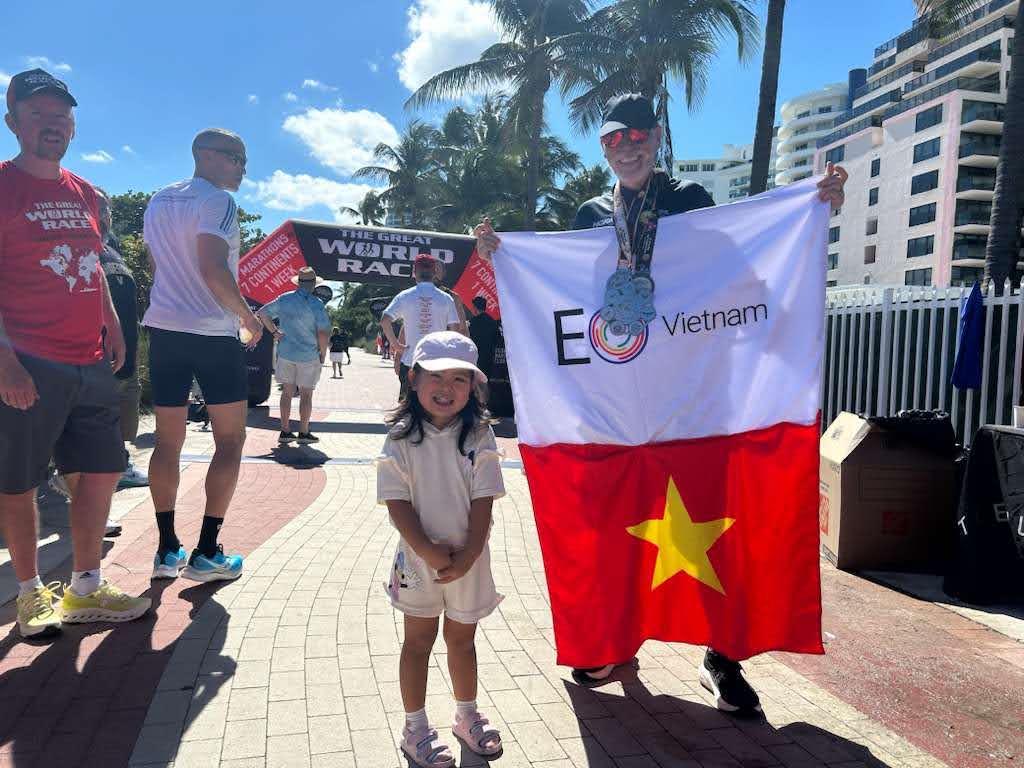
Miami was the seventh and final marathon. It was also the only one with a crowd.
Families had flown in. The EO community was watching online. For the first time in seven days, there were people cheering. Actual voices calling out names and ringing cowbells and making noise that wasn't just wind.
Even the injured runners finished, walking if they had to. Nobody quit in Miami. You don't come that far to stop at the end.
The Unexpected Gift
Raul crossed the line feeling something he hadn't expected: not depletion, but validation. Not exhaustion, but clarity.
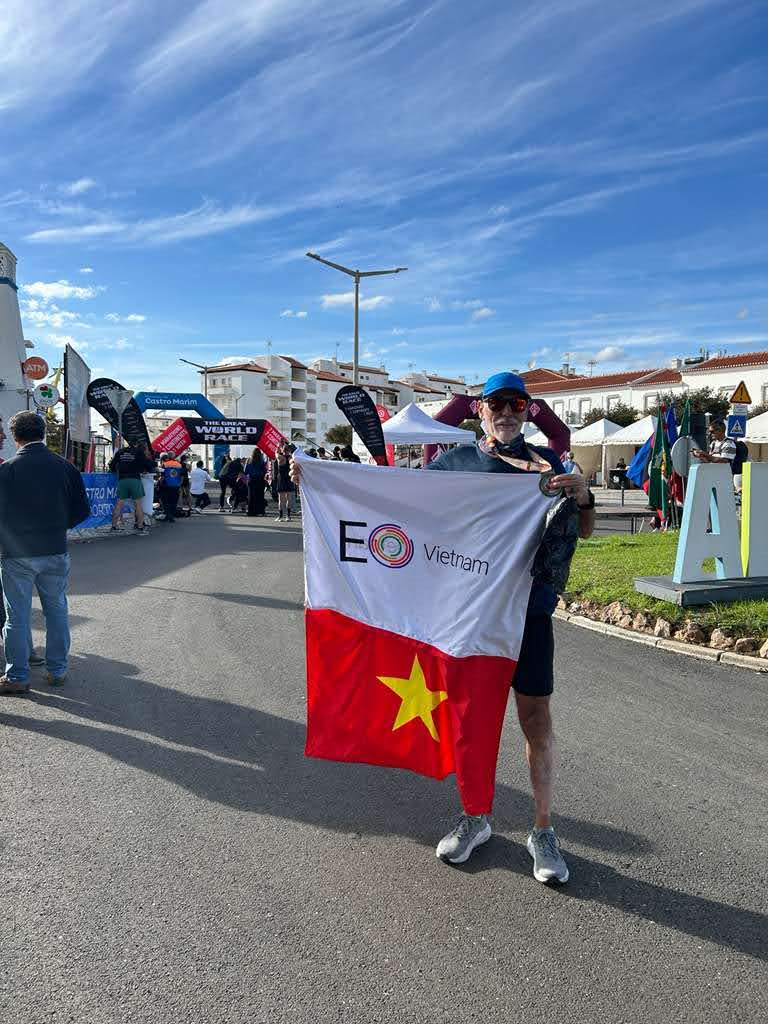
He'd carried the EO flag through all seven races, posting updates daily.
What Every Founder Should Know
When I asked Raul what he wanted fellow founders to take from his story, he didn't hesitate.
Lesson One: Build Confidence Beyond Work
This isn't about the marathon. It's about the identity shift that happens when you survive something your brain said was impossible.
Lesson Two: Adventure is a Business
Raul pointed to the runners who had raised over a million dollars for charity through the same event. Adventure, he noted, is a growing industry. People are hungry to be pushed outside their comfort zones. There's a business lesson buried in that hunger.
The Real Story
But here's what stayed with me: Raul funded the whole thing himself. No sponsors. No influencer strategy. No camera crew.
After thirty years of proving himself through his company, he needed to prove something to himself alone.
What's Next
Possibly a six-stage, seven-day ultramarathon through the desert, carrying all his own food and supplies on his back.
The Real Miracle
Most of us will never run seven marathons in seven days. But all of us know the doubt Raul was trying to outrun. It sits with us in the empty office. It whispers during the hard decisions. It questions whether we're good enough, strong enough, capable enough.
The miracle of Raul's story isn't in his legs. It's in his willingness to ask the question.
The answer might just follow you home.